Call Us
Tell us what's happening. A real electrician picks up — evenings, weekends and bank holidays included.
Brighton + Hove + Sussex
A shower that trips the RCD, cuts out mid-wash, or won't power up at all is a fault on a high-current circuit, sitting in the wettest room in the house. It's not a job to leave for later. We treat it as an emergency and attend day or night.
30 Google Reviews
Call Now — 24/7 0333 360 6904Fast
60-Min Average Response
Upfront
Fixed-Price Quotes
Guarantee
On All Workmanship
Stocked
Vans Ready to Fix Today
THE FAULT
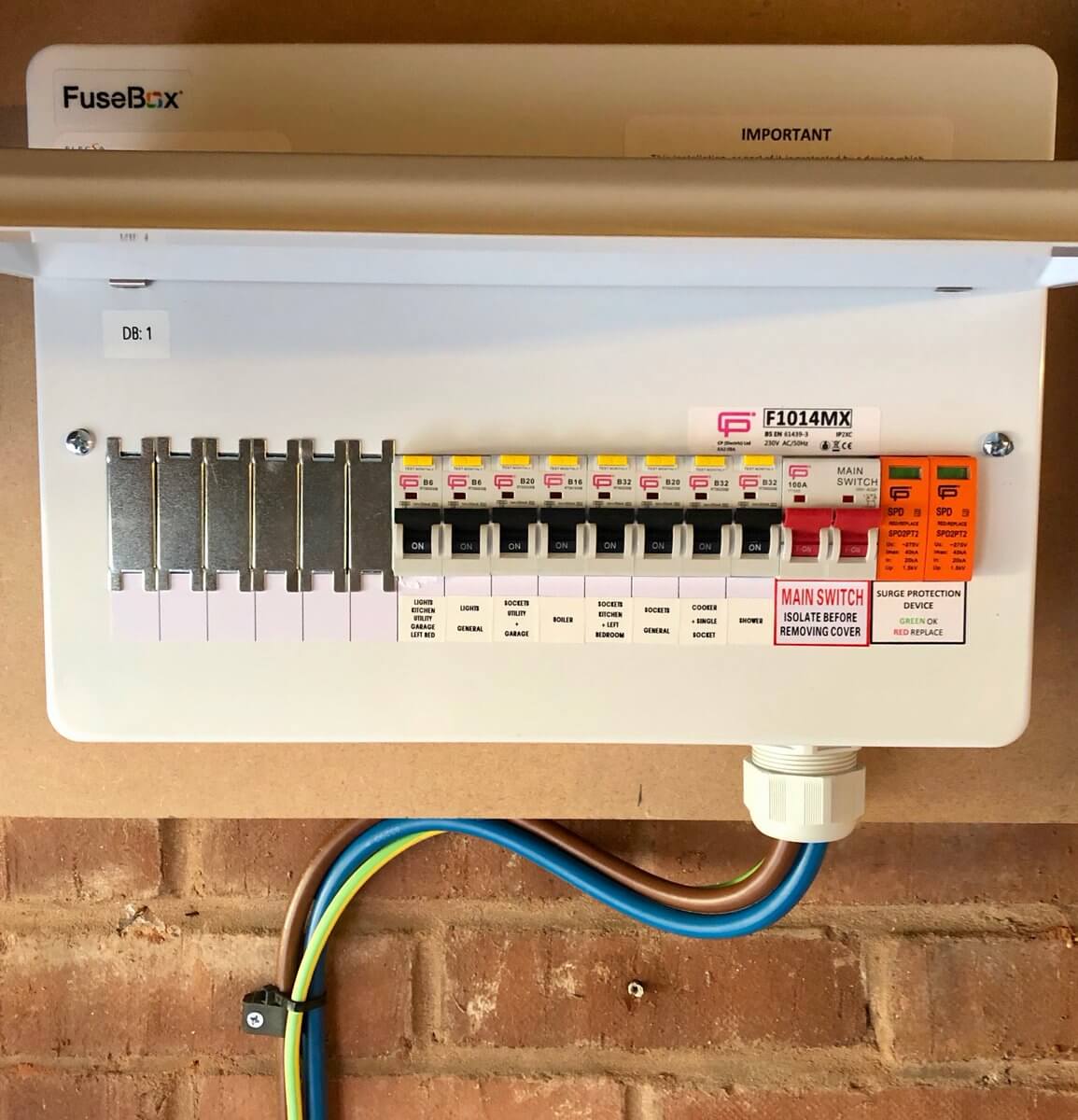
An electric shower draws far more current than almost anything else in the house. That's why it gets its own dedicated radial circuit, its own sized cable, and its own RCD or RCBO protection back at the consumer unit. Because it's a single-purpose setup, faults tend to show up cleanly: the RCD trips, or the shower simply loses power, rather than causing some vague intermittent gremlin elsewhere in the house.
The fault sits in one of two places, and they're not the same job to fix. Inside the shower unit itself, common culprits are a failed heating element, a cracked pressure or flow switch, or terminals that have corroded after years of water finding its way in. On the circuit side, look instead at damaged cable, a failing isolator switch, or a loose, deteriorating connection back at the consumer unit. Any of these can trip the RCD just as easily.
An RCD that trips the instant the shower is switched on has detected current leaking to earth somewhere on that circuit, and it will keep tripping until the fault is cleared, not reset away. Flicking it back on and trying again solves nothing. It just repeats the same test in a room full of water — precisely the situation the RCD is there to prevent.
SIGNS & SAFETY
BS7671 treats bathrooms as a special-risk location. Zoning rules, IP-rated fittings, and supplementary bonding all exist for one reason: water and electricity in the same room raises the stakes. That's why shower faults get treated as urgent, not routine.
RCD already tripped? Leave it off. If it's already off at the consumer unit or a clearly labelled isolator, that's where it should stay until we get there.
Keep clear of the shower unit, its switch, and any wiring you can see, especially with wet hands or bare feet, and resist the urge to keep flicking the RCD back on: each reset just repeats whatever fault tripped it in the first place, in a room that's still wet.
Sparking, a burning smell, or smoke from the unit or the surrounding wall means get everyone out of the room, call 999, and don't go back in until the fire service says it's clear.
Call an Emergency Electrician NowWhat To Expect
Tell us what's happening. A real electrician picks up — evenings, weekends and bank holidays included.
You get a realistic arrival window and our call-out rate up front — before anyone sets off.
Safe isolation first, then testing to find the actual cause — explained to you in plain English.
Stocked vans fix most faults on the first visit. Anything we can't finish that night is isolated and made safe.
Why Choose Us
Committed to Quality and Care
Proudly serving our community with reliable, high-quality electrical work you can count on.
Our qualified electricians bring expertise, safety and precision to every single call.
We respect your time and budget, delivering results without delays or excuses.
Transparent, upfront quotes — no hidden fees and no surprise out-of-hours mark-ups.
Evenings, weekends and bank holidays. The phone is answered when the fault actually happens.
Common parts carried as standard, so most emergency repairs are completed on the first visit.
FAQ
Feel free to contact us for more information
Usually it's water. Once it finds its way into the shower unit's heating element or terminal box, or breaks down the insulation in a damp connection, current starts leaking to earth and the RCD trips to stop it reaching you. That's not the RCD being oversensitive, it's doing its job. Resetting it and running the shower again just repeats the same test until the actual fault gets found and fixed.
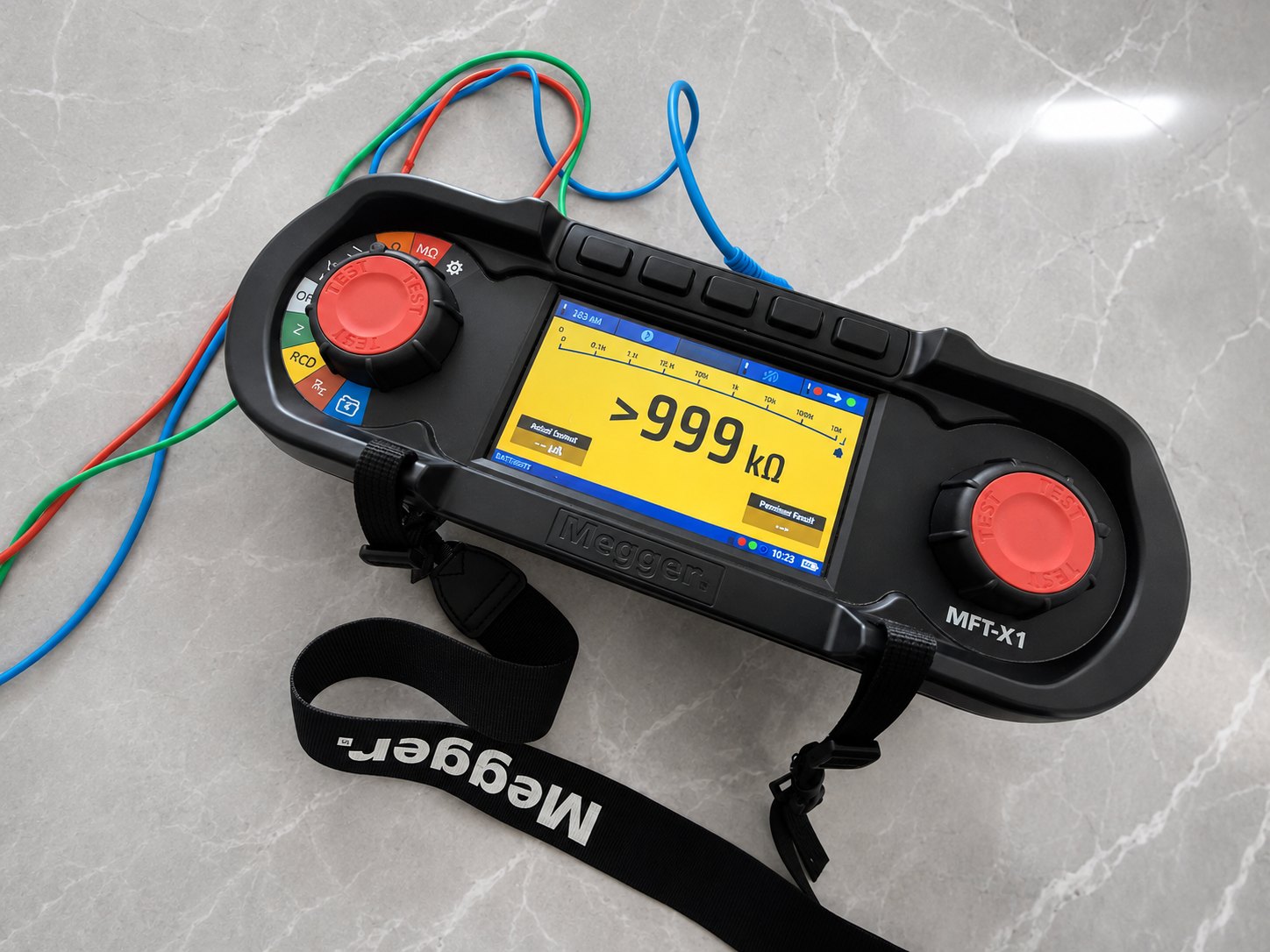
Could be either, and they call for different work. A failed heating element, a cracked pressure switch, or corroded terminals inside the shower itself usually means the unit needs repairing or replacing outright. Damaged cable, a failing isolator switch, or a problem back at the consumer unit points to the circuit instead, which is a wiring job. We test the unit and the circuit separately with a multifunction tester, so we know which one is actually causing the trip before any parts get replaced.
Not a good idea. Trip again the moment you switch the shower on and that's a genuine earth fault repeating itself, tested again with you standing in a wet room. Leave the circuit switched off and get it looked at rather than cycling the reset.
Because water turns a minor shock into a serious one. BS7671 responds by treating bathrooms as a special-risk location, dividing the room into zones based on distance from the bath or shower. Each zone carries its own rules on what equipment can go there and what protection level (IP rating) it needs against splashing or jets, and shower circuits typically also need supplementary bonding, extra protective earthing linking metal pipework and fittings in the room.
Depends entirely on the installation. Plenty of modern homes don't need it if the main earthing and circuit protection already meet current standards, but older properties, or houses with a mix of old and new wiring, often still require it. It's not something you can judge by eye. We'll check your setup against what BS7671 actually requires and confirm exactly what, if anything, needs adding.
Emergency Call-Outs
Tell us what's happening and we'll tell you straight away whether it needs an electrician tonight or can safely wait until morning. No obligation either way.