Call Us
Tell us what's happening. A real electrician picks up — evenings, weekends and bank holidays included.
Brighton + Hove + Sussex
Every Fast Fix electrician is qualified, insured and background-checked, every repair is carried out to BS7671, and every job ends with the paperwork to prove it. This page explains what that looks like when your power is off at 2am.

30 Google Reviews
Call Now — 24/7 0333 360 6904Fast
60-Min Average Response
Upfront
Fixed-Price Quotes
Guarantee
On All Workmanship
Stocked
Vans Ready to Fix Today
How we work
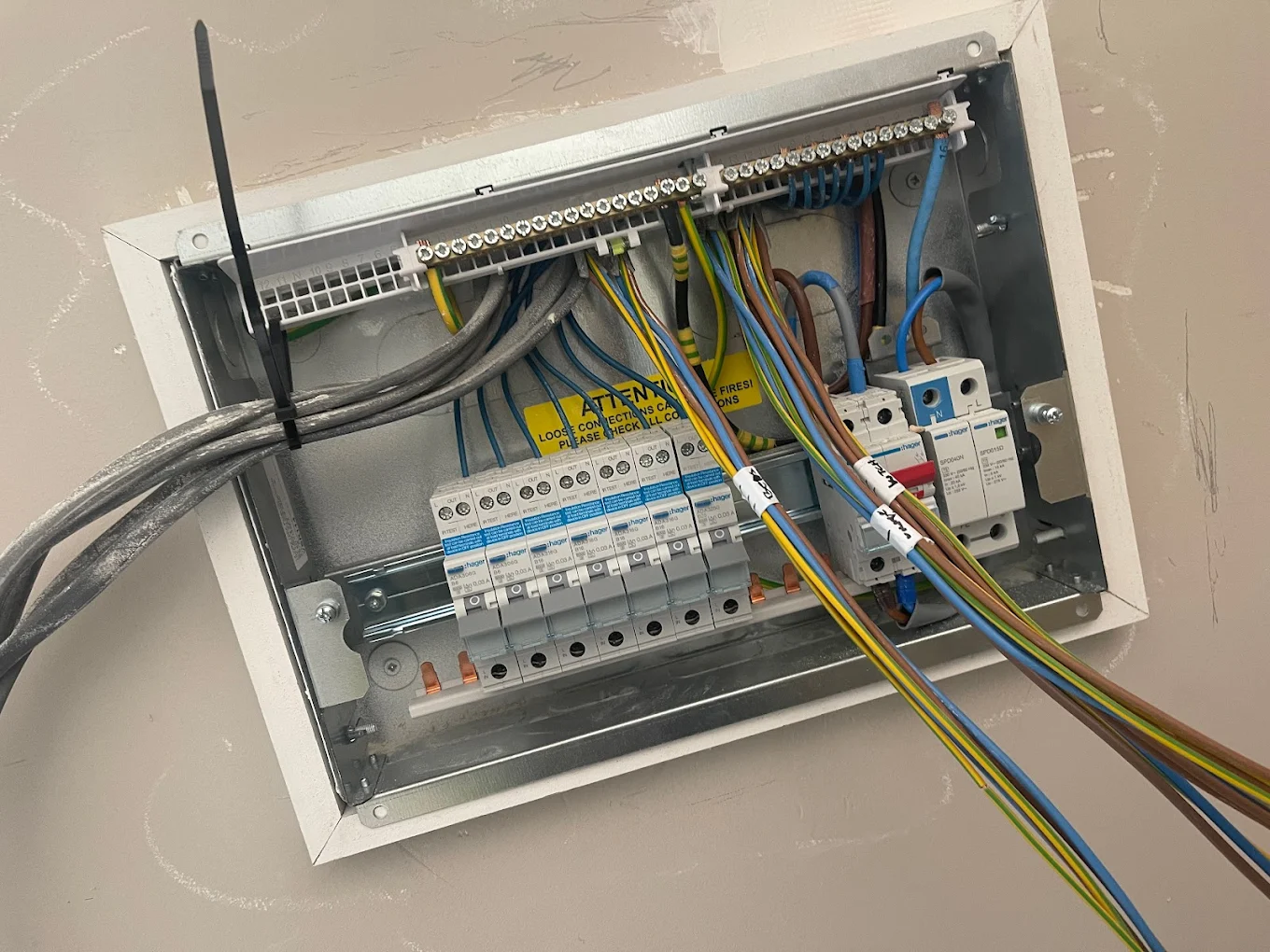
Every electrician on the Fast Fix fleet is qualified, fully insured and background-checked, and every repair is carried out to BS7671, the UK wiring regulations. That is not a badge on the van; it is the standard that decides which cable we run, how a circuit is protected, and whether a repair passes testing at the end. Marcus checks the qualifications himself before anyone attends a call-out, the same way he has since the business was one van and one rule.
Safe isolation is the reason we never work live. Before a repair starts, the circuit is switched off at the source, locked off so nobody can re-energise it by accident, and proven dead with a voltage indicator that has itself been tested against a known supply. It adds a few minutes to every job. Those minutes are why our electricians go home safe at the end of a night shift, and why your house never becomes the site of a second emergency.
When the work justifies it, you get paperwork rather than promises. Smaller jobs, like repairing a circuit or replacing a damaged accessory, are typically covered by a Minor Works Certificate recording what was done and the test results behind it. Larger work, such as installing a new circuit, gets a full Electrical Installation Certificate. Some domestic work in England and Wales is also notifiable to building control under Part P; the rules vary with the job and the property, so we confirm what applies before we start and handle the notification for you.
On every job
Emergency work moves fast, but it never skips steps. Whatever brought us out to you, these six things happen on every single job.
Here is the honest bit. Sometimes the safest fix at 2am is not a fix at all — it is isolating the faulty circuit, making everything else safe, and coming back in daylight to do the job properly. A repair rushed under a torch at midnight can pass for a fix and fail as an installation, and we will not put our name to that.
What it costs you: occasionally a night with one circuit off while the rest of your home runs normally. What it buys you: a repair that is tested, certified and still sound years from now. We will always tell you which you are getting before we start, and if we do need to come back, the return visit is booked before we leave.
Call an Emergency Electrician NowWhat To Expect
Tell us what's happening. A real electrician picks up — evenings, weekends and bank holidays included.
You get a realistic arrival window and our call-out rate up front — before anyone sets off.
Safe isolation first, then testing to find the actual cause — explained to you in plain English.
Stocked vans fix most faults on the first visit. Anything we can't finish that night is isolated and made safe.
Why Choose Us
Committed to Quality and Care
Proudly serving our community with reliable, high-quality electrical work you can count on.
Our qualified electricians bring expertise, safety and precision to every single call.
We respect your time and budget, delivering results without delays or excuses.
Transparent, upfront quotes — no hidden fees and no surprise out-of-hours mark-ups.
Evenings, weekends and bank holidays. The phone is answered when the fault actually happens.
Common parts carried as standard, so most emergency repairs are completed on the first visit.
FAQ
Feel free to contact us for more information
That depends on the scale of the work. Most emergency repairs are covered by a Minor Works Certificate, which records what was done, where, and the test results proving the circuit is safe. If we install a new circuit, you get a full Electrical Installation Certificate instead. Either way it arrives without you chasing it, and it is worth keeping for insurance claims, house sales and landlord records.
Some of it is. Part P of the Building Regulations covers domestic electrical work in England and Wales, and certain jobs, such as installing new circuits and some work in bathrooms and other special locations, must be notified to building control. Most like-for-like emergency repairs are not notifiable. The rules differ slightly between England and Wales, so where notification does apply, we tell you up front and handle it as part of the job.
Always. A repair is not finished when the lights come back on; it is finished when the circuit has been tested and the results confirm it is safe to leave energised. Testing is how we catch the second fault hiding behind the first, and it is where the figures on your certificate come from.
Vetting happens before anyone attends a call-out: qualifications verified, full insurance in place, background checks completed. The electricians on our fleet work to the standard Marcus set when the business was one van, and when you phone us it is an electrician who answers, not a call centre passing your job to a stranger.
Emergency Call-Outs
Tell us what's happening and we'll tell you straight away whether it needs an electrician tonight or can safely wait until morning. No obligation either way.