Call Us
Tell us what's happening. A real electrician picks up — evenings, weekends and bank holidays included.
Brighton + Hove + Sussex
A full inspection of your property's wiring, consumer unit and earthing, tested against the current regulations and written up as a proper report you can actually show someone. Book one if you're renting out a property, buying or selling, or you just want to know the wiring behind your walls is safe.

30 Google Reviews
Call Now — 24/7 0333 360 6904Fast
60-Min Average Response
Upfront
Fixed-Price Quotes
Guarantee
On All Workmanship
Stocked
Vans Ready to Fix Today
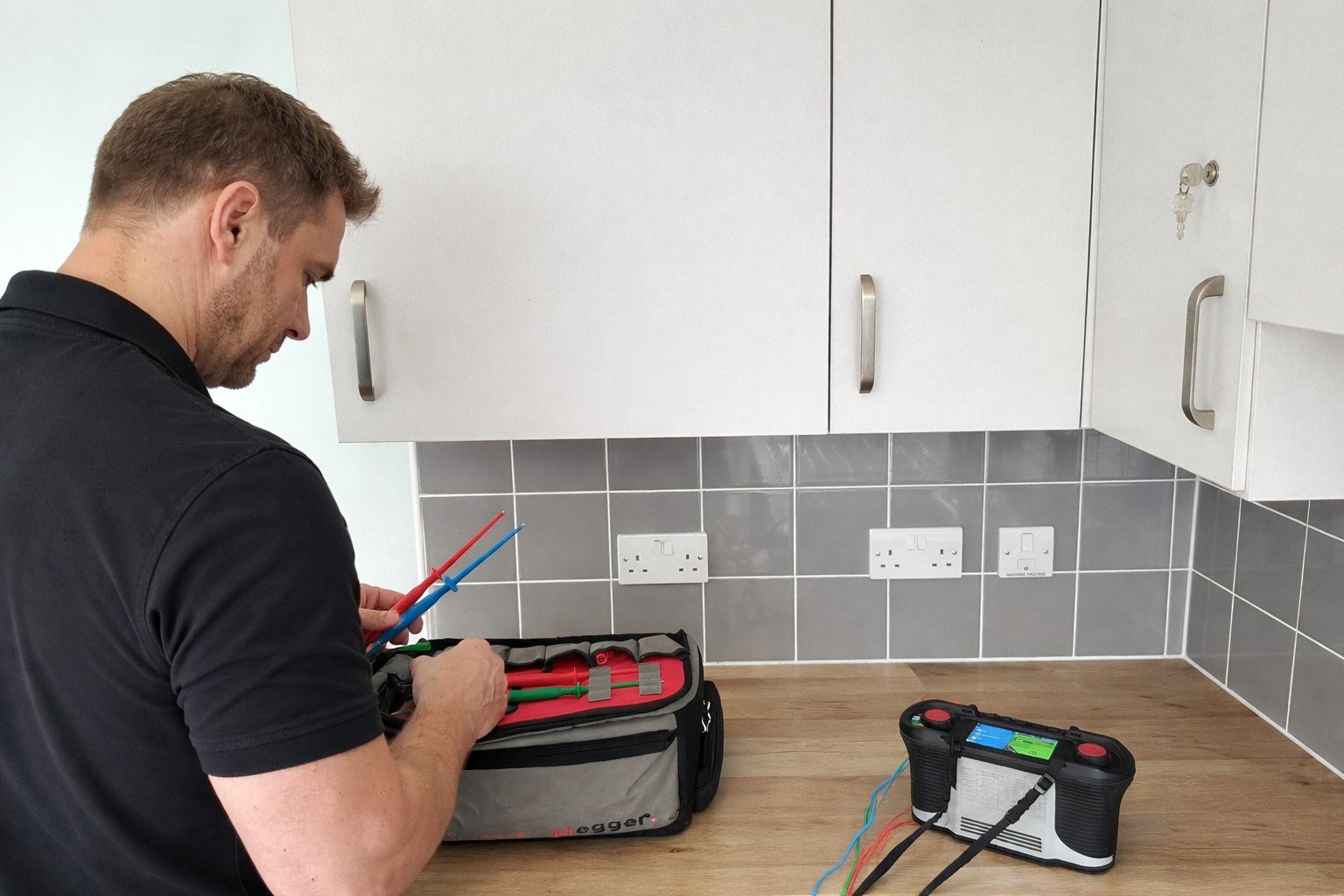
Periodic Inspection & Testing
We start with a visual inspection of the consumer unit, wiring, sockets, switches and earthing, checking for damage, wear and anything that no longer meets current standards. Dead testing comes next, done with circuits isolated at the board. Once we're satisfied everything's safe to re-energise, we move on to live testing and record every result against the circuit it belongs to.
Landlords in England have a specific legal duty here: get the inspection done by a qualified person, keep a satisfactory report on file, and hand it over to tenants and the local authority on request. Homeowners aren't bound by the same rule. An EICR still gives you a clear, evidenced picture of whether your home's wiring is safe, which matters most before buying, selling, or taking on an older property you've just inherited.
It's a different job to an emergency repair. A call-out fixes the fault sitting in front of us there and then; an EICR is a scheduled, methodical check of the whole installation, circuit by circuit, whether or not anything's currently playing up. Turn up a genuine C1 or C2 along the way and we'll flag it clearly, then carry out the remedial work and retest as a follow-on visit.
Signs You Need One
An EICR isn't just for landlords. If any of these sound familiar, it's worth booking one in.
Found a C1 on your report for a specific circuit? Switch it off at the consumer unit, but only if you can identify it and reach it safely, then leave it off until we've sorted it.
Leave the consumer unit itself alone, and don't poke around a socket or fitting trying to fix it yourself. Fixed wiring work is restricted under Part P, and a circuit that looks dead can still be live.
Burning smell, scorch marks, or a circuit that won't stay off? Get everyone out of that part of the property and ring us straight away. That's not something to leave until your next appointment.
Call an Emergency Electrician NowWhat To Expect
Tell us what's happening. A real electrician picks up — evenings, weekends and bank holidays included.
You get a realistic arrival window and our call-out rate up front — before anyone sets off.
Safe isolation first, then testing to find the actual cause — explained to you in plain English.
Stocked vans fix most faults on the first visit. Anything we can't finish that night is isolated and made safe.
Why Choose Us
Committed to Quality and Care
Proudly serving our community with reliable, high-quality electrical work you can count on.
Our qualified electricians bring expertise, safety and precision to every single call.
We respect your time and budget, delivering results without delays or excuses.
Transparent, upfront quotes — no hidden fees and no surprise out-of-hours mark-ups.
Evenings, weekends and bank holidays. The phone is answered when the fault actually happens.
Common parts carried as standard, so most emergency repairs are completed on the first visit.
FAQ
Feel free to contact us for more information
One fixes a single fault: a tripped RCD, a dead socket, a burning smell coming from somewhere specific. An EICR covers the whole fixed installation, every circuit, the consumer unit, earthing and bonding, checked against the wiring regulations whether or not anything's currently playing up. Think of it as a health check rather than a repair job.
C1 is danger present: a risk of injury right now, and we'll usually want to make it safe on the spot. C2 is potentially dangerous, needing urgent attention but not an immediate emergency. C3 flags an improvement that's recommended without being unsafe as it stands, and FI means further investigation is needed because we can't confirm what's going on without more work. Get a C1 or C2 anywhere on the report and the whole thing is classed unsatisfactory.
Own the home you live in? There's no legal requirement to have one done. It's still worth booking, especially on an older installation or one that's never been checked, but that's your call rather than a legal duty. Rent the property out, sell it, buy it, or run it as a business premises, and a report is typically expected or required.
In England, landlords carry a specific legal duty: get the electrical installation inspected and tested by a qualified person, keep a satisfactory report on file, and hand a copy to tenants and the local authority whenever it's asked for. How often that report needs renewing, and what actually counts as satisfactory, depends on the specific property and tenancy. We'll check exactly what applies to yours and get you a proper written record to prove it.
It comes back marked unsatisfactory, with exactly what needs fixing and why spelled out against each circuit. A C1 we'll typically want to make safe there and then, no waiting around. C2s need remedial work carried out reasonably promptly rather than immediately. Once that's done, we re-test the affected circuits and issue a minor works or electrical installation certificate, so you're left with a clean record instead of an outstanding fault on file.
Emergency Call-Outs
Tell us what's happening and we'll tell you straight away whether it needs an electrician tonight or can safely wait until morning. No obligation either way.